
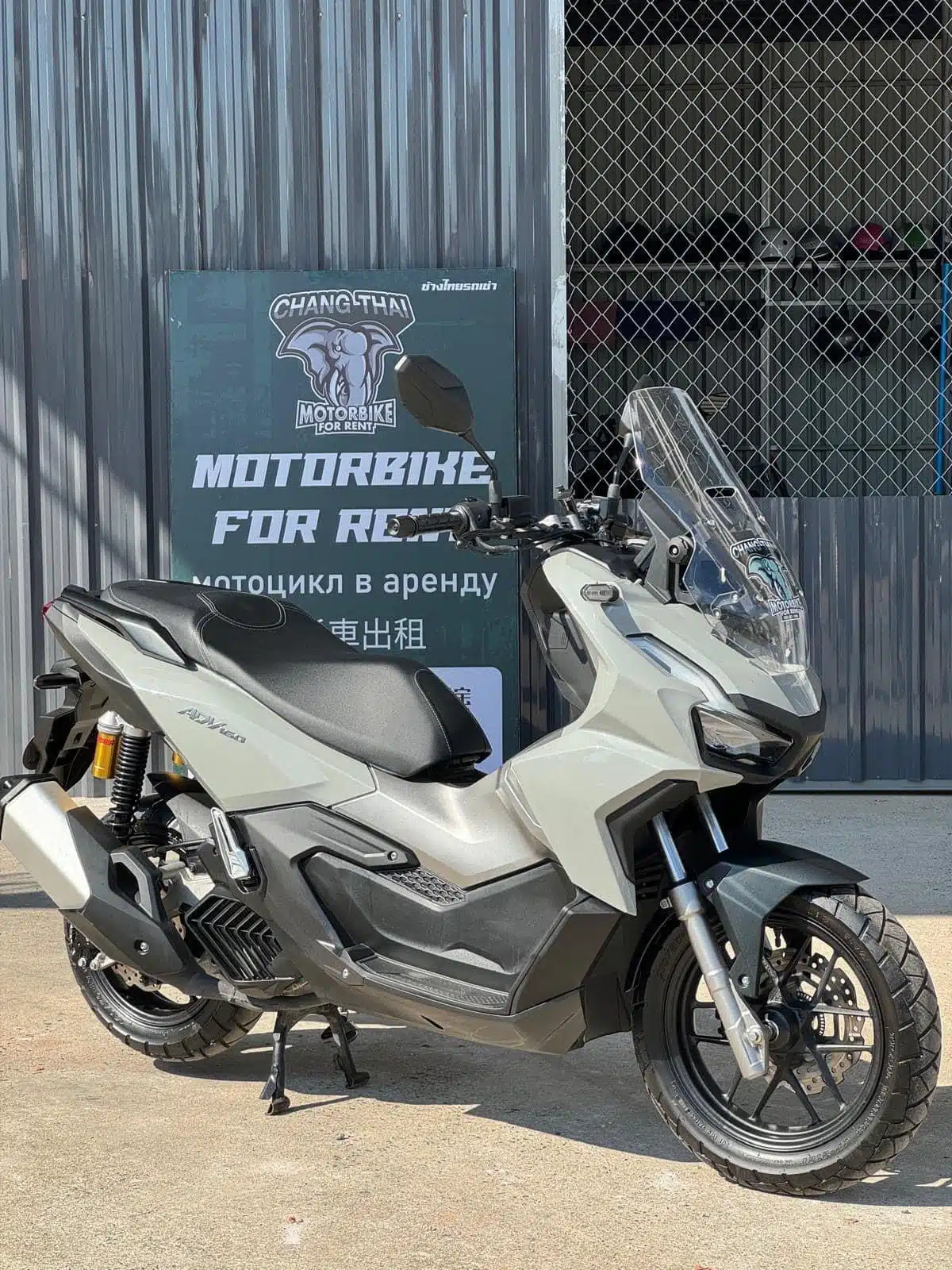
Riding a scooter is the easiest way to see Phuket, but the rules are not the same as back home, and the island's accident numbers are too high to treat safety as an afterthought. Short version: Thailand drives on the left, every rider needs a motorcycle-category license plus an International Driving Permit no matter how small the engine is, helmet and speeding fines were sharply increased in 2025 and 2026, and the roads most likely to cause trouble are the steep, curving hill connectors between Phuket's beaches. Below is what the law actually requires, what it actually costs to break it, which roads and conditions cause the most accidents, and exactly what to do if you're ever in one.
Do You Need a License to Ride a Scooter in Phuket?
Yes — every motorized two-wheeler in Thailand legally requires a motorcycle-category driving license, regardless of engine size. A small 110–125cc automatic scooter, the kind most visitors rent, is treated the same as a full-size motorcycle under Thai law. A license that only covers cars does not cover a scooter, and riding one without the correct category counts as riding without a valid license.
Foreign visitors also need an International Driving Permit issued in their home country before they travel. Thailand doesn't issue IDPs to tourists, and you can't apply for one after you've landed, so it has to be arranged in advance. The UK Foreign, Commonwealth & Development Office's official travel advice for Thailand is direct about this: you need your home license, with a motorcycle endorsement, plus the IDP together, and riding without the correct combination can invalidate your travel insurance entirely.
This matters beyond the roadside fine. If you're in an accident without a valid license and IDP, both the rental company and any insurer have legal grounds to refuse to cover the damage or liability — which can turn a minor drop into a repair bill you're paying yourself, in full.
Left-Hand Traffic and Other Basics Worth Knowing
Thailand drives on the left, with the steering wheel on the right side of the vehicle — opposite to the US, mainland Europe, and several other places scooter tourists come from. The most common mistake for visitors used to driving on the right is looking the wrong way at junctions and roundabouts, and instinctively drifting toward the right-hand lane on a quiet road. If it's your first time riding on the left, practice on a quiet side street before heading into traffic around Chalong Circle or the Patong bypass.
A few other basics worth knowing: standard speed limits are 60 km/h in built-up areas and up to 90 km/h on rural highways; riding while using a phone without a hands-free mount is a specific, enforced offense; and Thailand's legal blood-alcohol limit for riding or driving is 0.05%, stricter than in a number of visitors' home countries.
Thailand's Traffic Fines in 2026: The Real Numbers
From 1 April 2026, the Royal Thai Police moved from a warnings-first approach to strict, on-the-spot enforcement of ten traffic offenses identified as the leading causes of road deaths nationwide, with fines several times higher than before. They apply on Phuket's roads exactly as anywhere else in the country:
| Violation | Maximum Fine |
|---|---|
| No helmet (rider or passenger) | 2,000 baht per person — in force since June 2025; higher if neither rider nor passenger has one on |
| Speeding | 4,000 baht |
| Using a phone while riding, no hands-free | 4,000 baht |
| Riding against the flow of traffic | 2,000 baht |
| Running a red light | 4,000 baht |
| Riding without a valid license | Up to 1,000 baht and/or up to 1 month in prison, plus possible vehicle impoundment |
| Drink-driving | 5,000–20,000 baht and/or up to 1 year in prison |
Two practical notes: enforcement in tourist areas like Patong, Karon, and Kata has visibly stepped up alongside this policy, and for licensing violations officers can impound the bike on the spot rather than just issue a ticket — which costs you days of your trip, not just baht.
Phuket's Real Road Hazards
The Hill Roads
The connector roads between Phuket's west-coast beaches — Patong Hill (Route 4029) between Patong and Kathu, the Chalong–Kata road, and the Kata–Sai Yuan road through Karon — are steep, narrow, and full of blind curves marked with solid center lines that some drivers still cross to overtake. These are Phuket's most consistently reported accident blackspots. On 25 December 2025, a motorbike crossed into the oncoming lane on a curve on the Kata–Sai Yuan hill near the Sam Ao viewpoint and collided head-on with a car, killing the passenger — a recent, documented example of exactly the mistake these roads punish. Ride them at a pace where you can stop within the distance you can actually see, and never overtake on a blind curve.
Rainy Season, May to October
Phuket's rainy season runs roughly May through October, with September and October typically the wettest months. The most dangerous moment usually isn't the middle of a downpour — it's the first ten minutes of rain after a dry spell, when accumulated oil and dust rise to the surface and traction drops sharply, especially over painted lane markings and metal drain covers. If the back wheel shifts even slightly on a wet corner, treat that as a warning and slow down well before the next one.
Who's Actually Getting Into Accidents
This isn't scaremongering: the UK government's own travel advice for Thailand cites World Health Organization data ranking the country among the most dangerous in the world for motorcyclists, and Phuket's provincial government has said as much locally. Provincial officials have previously reported that in one two-month period, Phuket logged more than 500 accidents involving foreign tourists on motorbikes, with roughly 80% of those riders holding no valid license. Unfamiliar roads, unfamiliar left-hand traffic, and riding in swimwear with no real protective gear show up repeatedly in these reports — none of it unique to any one nationality, and all of it avoidable.
What to Do If You're in an Accident on a Rental Bike
Get to safety if you can, but don't leave the scene, and don't let anyone move the vehicles before you've photographed the position of both bikes or vehicles, the damage, the license plates, and the road itself. That documentation is what your claim and the police report will be based on.
Call the Tourist Police at 1155 — free, 24 hours, English-speaking — before you sign anything or agree to a settlement at the roadside. They can send an English-speaking officer or translate by phone, which matters because a roadside "agreement" in Thai isn't something to accept without understanding it first. For a general police response call 191, for the Highway Police call 1193, and for a medical emergency call 1669 for an ambulance.
Get an official police report — most insurance claims in Thailand require one filed within 24 hours of the accident. Then contact the rental company directly; most have a specific accident procedure and need to be told before any repair or settlement is agreed.
It helps to know what the bike's insurance actually covers before you need it. The compulsory Thai motor insurance every registered vehicle carries, locally called Por Ror Bor, only pays third-party claims — roughly up to 80,000 baht in medical costs and 300,000 baht for death or permanent disability, per person — and pays nothing toward the rental bike's damage or your own injuries if you caused the accident. Ask your rental company directly what coverage the bike carries beyond this legal minimum, and keep in mind that riding without a helmet or a valid license can be grounds for a claim to be denied outright.
Frequently Asked Questions
Do I need an international driving permit to rent a scooter in Phuket?
Yes. You need an IDP issued in your home country before you travel, carried together with your home driving license showing a motorcycle endorsement. A car-only license or a car-only IDP does not legally cover a scooter, whatever the engine size.
Can I ride on just my regular car driving license?
No. Thai law treats every motorized two-wheeler, including small automatic scooters, as requiring a motorcycle-category license. A license that only covers cars doesn't cover a scooter, and riding one anyway counts as riding unlicensed.
What's the fine for riding without a helmet in Phuket?
Up to 2,000 baht per person, for the rider and any passenger, in force since June 2025 under Thailand's Land Traffic Act — and it climbs higher if neither rider nor passenger is wearing one. It's also one of the ten offenses under strict, no-warning enforcement since April 2026.
What happens if I crash a rental scooter — who pays?
It depends on your license status, whether you were wearing a helmet, and what insurance that specific rental carries. Thailand's compulsory insurance covers third-party injury only — not the bike, and not you. Ask your rental company exactly what's covered before you ride, not after something happens.
Is it safe to ride a scooter during rainy season?
It's ridable, but riskier. Roads are at their most slippery in the first few minutes of rain after a dry spell, and Phuket's hill roads get noticeably more hazardous when wet. Slow down, leave more following distance, and consider avoiding the steepest connector roads if you're not confident riding in the wet.
What number do I call if I'm in an accident in Phuket?
Tourist Police at 1155 for English-language support and to avoid signing anything you don't understand, 191 for general police, 1193 for Highway Police, and 1669 for a medical emergency.
None of this is meant to talk you out of riding — a scooter is genuinely the best way to get around Phuket, as long as you're properly licensed, sober, and paying attention on roads that don't forgive distraction. Every scooter from Chang Thai Motorbike Rental comes with a helmet and a short safety briefing before you ride off, and our team is happy to talk through which routes to take or avoid based on where you're staying. You can check availability and book online at changthairentals.com/rent-bike-phuket, or message us on WhatsApp at +66936871999 — we have branches at Chalong, Mai Khao, Phuket Airport, Bangtao, and Phuket Old Town, so pickup is usually close to wherever you're staying.