
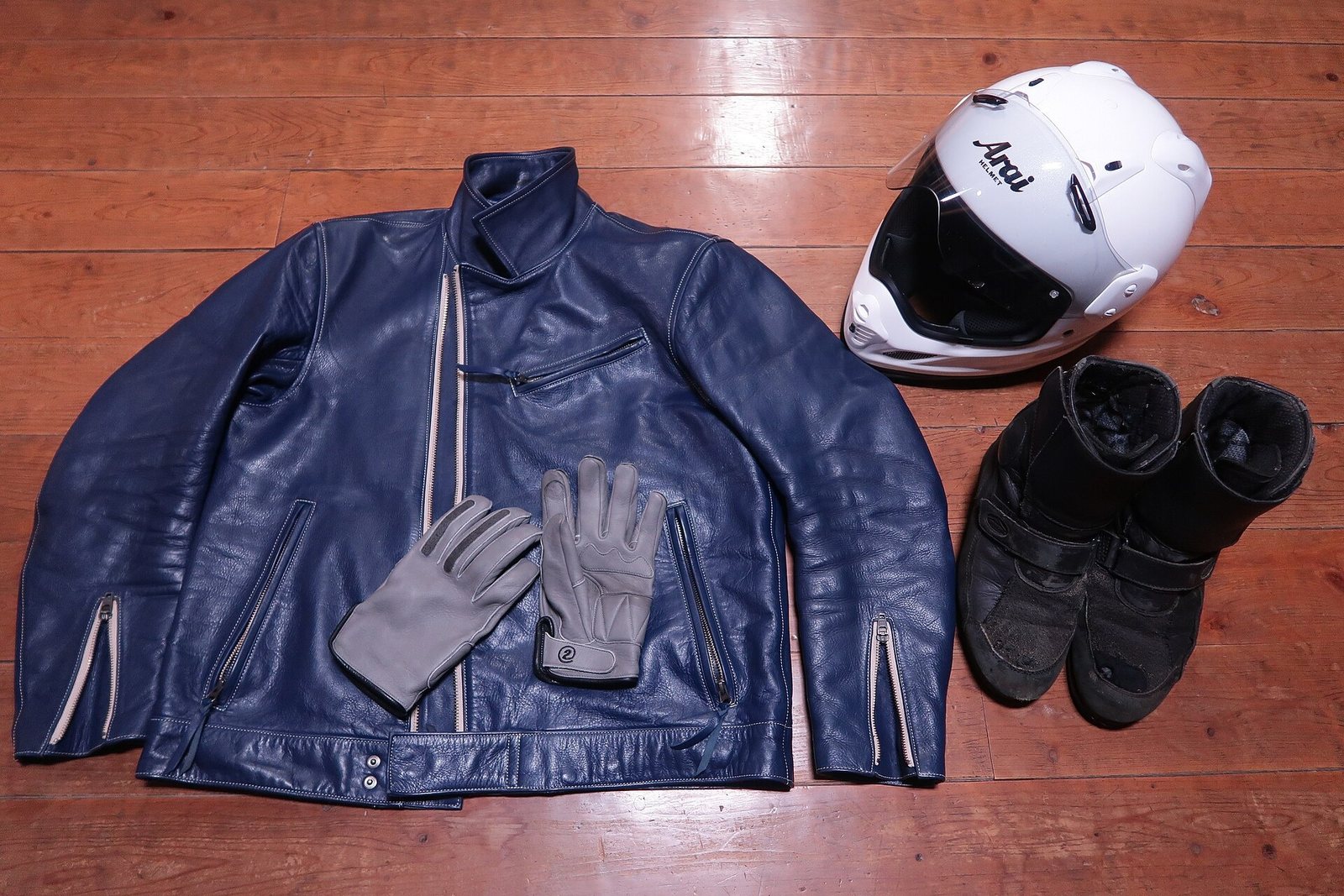
The most important safe-riding techniques for a first-time scooter rider in Phuket are: wear a certified helmet and proper gear every ride, inspect tires, brakes and lights before you go, cover both brake levers and apply front and rear brakes together, slow down well before hill curves, and ride defensively at all times, assuming other drivers will not give way.
Why This Matters: Thailand's Road Safety Reality
Phuket's coastal roads, jungle hills and beach-town traffic look easy from the seat of a rental scooter, but the statistics tell a more serious story. According to the World Health Organization's Global Status Report on Road Safety 2023, Thailand recorded a road traffic death rate of 25.4 per 100,000 people in 2021, and motorcyclists made up 83.8% of all traffic deaths that year, one of the highest motorcycle-fatality shares in the world.
The picture is just as sobering at the local level. A study of Phuket road-crash data found that motorcycles were involved in roughly 87% of road traffic deaths on the island, and provincial crash reports covering a recent six-month period recorded over 14,100 casualties, including 92 fatalities, with speeding and drink-driving named as leading causes (source: The Phuket News). Tourists on rented scooters are consistently over-represented in these crashes, often because it is their first time riding a two-wheeler on unfamiliar, hilly, left-hand-drive roads.
None of this means you should be afraid to ride — thousands of visitors rent scooters in Phuket every day without incident. It does mean that a few minutes of preparation and a handful of good habits make an outsized difference to your odds of a safe trip.
Pre-Ride Bike Inspection Checklist
Before you pull out of the shop (or before your first ride each morning), run through a quick inspection. Rental shops maintain their fleets, but a 90-second check on your end catches the rare issue and builds the habit professional riders use worldwide, similar to the pre-ride inspection taught in the Motorcycle Safety Foundation's official riding tips.
| Check | What to look for |
|---|---|
| Tires | Adequate tread, no cracks or bulges, tires feel firm (not soft/underinflated) |
| Brakes | Front and rear levers feel firm, not spongy; bike stops in a straight line when tested at walking speed |
| Lights | Headlight, taillight, brake light and both turn signals all work |
| Horn | Sounds clearly when pressed |
| Mirrors | Both fitted, adjusted so you can see behind without moving your head much |
| Fuel | Enough for your planned route; note the fuel gauge or reserve switch location |
| Chain/belt & fluids | No visible leaks under the bike, chain not excessively loose |
| Kickstand | Springs back up firmly, not bent or sticking |
If anything feels off, say so before you leave the shop. A reputable rental company would rather swap your bike than have you discover a problem on the road. Chang Thai Rentals branch locations in Phuket
Correct Riding Position and Gear
Body Position
Sit with a relaxed but upright posture, elbows slightly bent, both feet flat on the footboards or pegs, and your eyes up and scanning well ahead of the bike rather than down at the road immediately in front of the wheel. Keep two fingers covering the front brake lever whenever you're moving through traffic, so you can react without a delay. Look through corners toward where you want to go, not at the obstacle you're trying to avoid — target fixation is a real and well-documented cause of single-vehicle motorcycle crashes.
Essential Gear
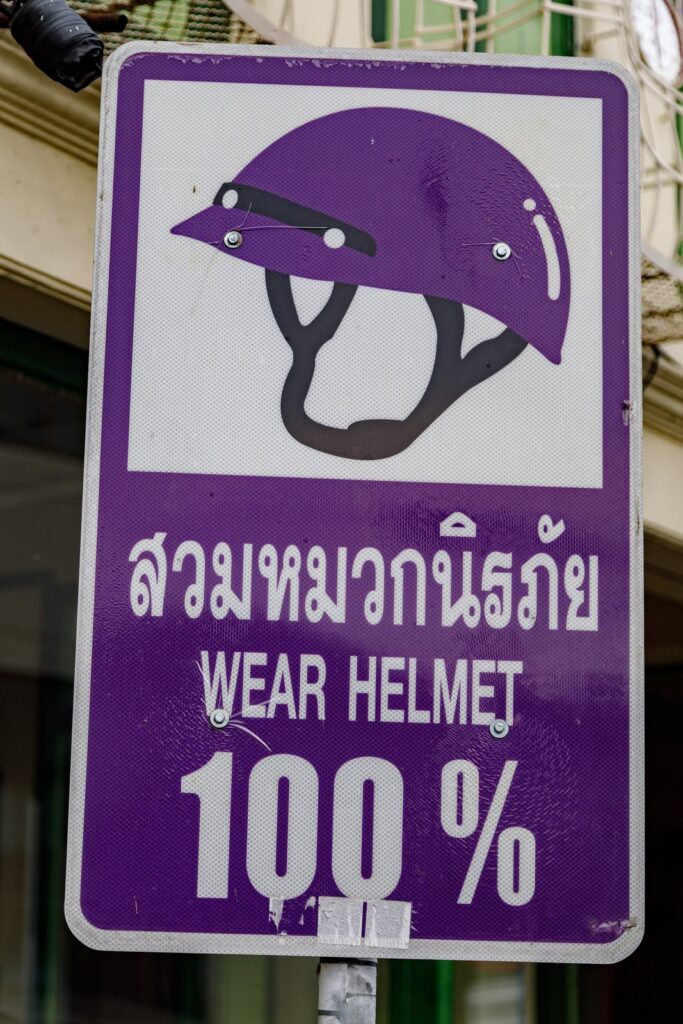
Thailand's Land Traffic Act requires a certified helmet for both rider and passenger on every public road, with no exception for tourists, short trips, or rental bikes, and enforcement has tightened: fines can now reach up to 2,000–4,000 baht for helmet violations (see Bangkok Post's coverage of Thailand's helmet law). Beyond the legal minimum, proper gear is simply cheap insurance against the tropical sun, sudden rain and unforgiving tarmac.
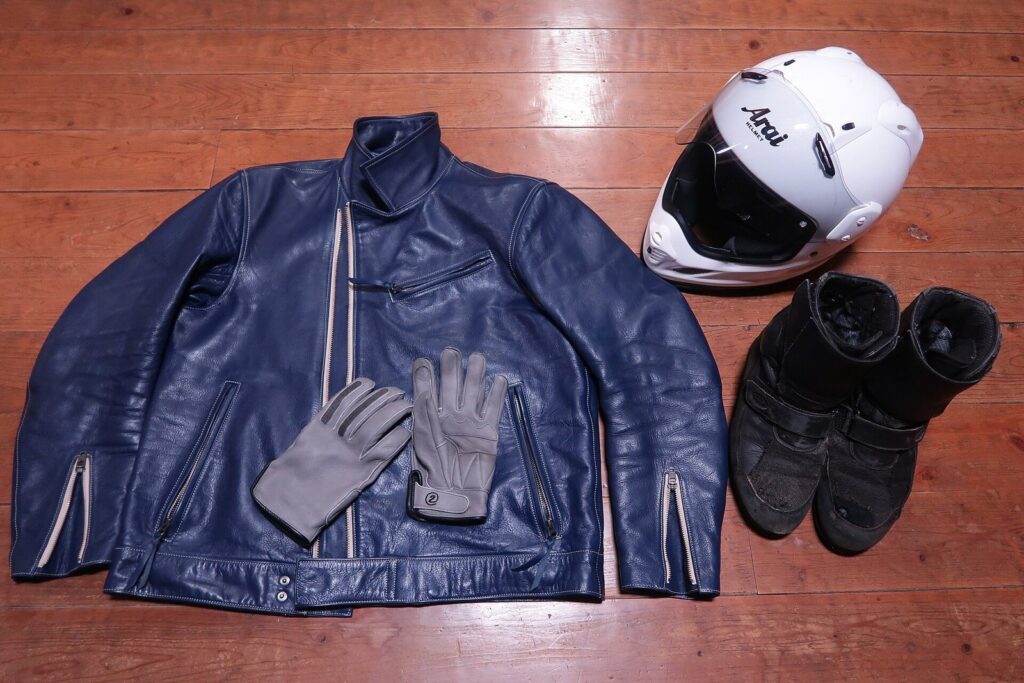
- Helmet — full-face or open-face with a fastened chin strap, DOT/ECE/Snell or Thai TISI certified
- Eye protection — visor or sunglasses, since bugs and dust at speed are a real hazard
- Closed-toe shoes — flip-flops offer zero protection in even a minor tip-over
- Long sleeves and trousers — light, breathable fabric still protects far better than bare skin
- Gloves — protect hands, which instinctively brace in a fall
- A rain jacket or poncho packed under the seat for Phuket's sudden downpours
All Chang Thai Rentals bikes come with a helmet included, and well-maintained fleet options like the Honda Click 125i, Click 160, PCX 150/160, Yamaha NMAX155 ABS, Honda ADV160 and Forza350/ADV350 are inspected between rentals. Browse the Chang Thai Rentals scooter and motorbike fleet
Braking Technique: Front and Rear Balance
Braking is the single most common technique tourists get wrong, usually by grabbing only the rear brake out of fear, which dramatically increases stopping distance, or panic-grabbing only the front, which can lock the front wheel and cause a low-side crash.
Motorcycle safety instruction from the Motorcycle Safety Foundation teaches that the front brake provides the majority of a bike's stopping power (as much as 70–80% of it), because braking shifts weight forward onto the front tire. The safest technique for everyday riding is:
- Roll off the throttle first
- Apply the front brake progressively (squeeze, don't grab) while applying the rear brake at the same time, keeping the bike upright and pointed straight ahead
- Increase front brake pressure smoothly as weight transfers forward
- If the rear wheel starts to skid, keep it straight and ease off slightly rather than releasing the rear brake abruptly — an abrupt release can trigger a high-side crash
On wet roads, gravel, or painted road markings (common near temples and pedestrian crossings), brake earlier and more gently with extra emphasis on the rear brake, since front-wheel traction is reduced. Always finish your braking before entering a corner — never brake hard while leaned over.
Cornering on Phuket's Hilly Roads
Phuket's terrain is what catches most new riders off guard. The steep switchbacks down into Patong and Kata, the Kata–Karon viewpoint hill, and the long sweeping curve of the Chalong roundabout are all notorious for tourist crashes, usually from excess speed, braking mid-corner, or drifting wide into oncoming traffic.
Basic Cornering Technique
- Slow before the turn, not during it — all your braking should be done while the bike is still upright and the wheel is straight
- Look through the corner toward your exit point, and the bike will naturally follow your eyes
- Keep a steady, gentle throttle through the curve rather than coasting or accelerating hard
- Stay in your lane — Phuket's downhill hairpins are lined with oncoming traffic, and drifting over the centerline is one of the most common causes of head-on collisions on these hills
- On long descents (like the Patong or Kata hills), use engine braking and light, intermittent braking rather than riding the brakes continuously, which can overheat them
At roundabouts such as Chalong, traffic already inside the circle has the right of way. Slow down on approach, look right for a gap, and commit smoothly — hesitating halfway into a roundabout is more dangerous than waiting an extra few seconds for a clear gap.
Riding Defensively in Phuket Traffic
Phuket mixes tour buses, songthaews, taxis, delivery trucks and thousands of other scooters, many ridden by locals weaving confidently through gaps. The MSF's core defensive-riding principle is the SEE system — Search, Evaluate, Execute: constantly search the road ahead and your mirrors, evaluate potential hazards before they become urgent, and execute a decision (adjust speed, position, or lane) early rather than reacting at the last second.
- Assume every side road, driveway and parked vehicle could pull out in front of you without looking
- Keep a following distance of at least 3 seconds behind the vehicle ahead, more in rain
- Never ride in a driver's blind spot, especially beside buses and trucks
- Use your horn briefly as a courtesy warning when overtaking or approaching blind corners, which is a normal and expected local practice
- Avoid overtaking on blind curves or hill crests — a very common cause of head-on crashes on Phuket's hill roads
- Give ordained monks, school children and stray dogs a wide, unhurried berth; sudden unpredictable movement into the road is common
Riding in the Rain
Phuket's tropical downpours arrive fast, especially May through October, and the first 10–15 minutes of rain are the most dangerous, when oil and dust rise to the surface and make the road slicker than once it's been washed clean.
- Slow down significantly and increase following distance
- Brake earlier and more gently, favoring the rear brake slightly more than in dry conditions
- Avoid painted lane markings, metal drain covers and temple-crossing markings, all of which become very slippery when wet
- If visibility drops sharply, pull over safely under cover rather than pushing through a heavy squall
- Keep a rain jacket accessible so you're not tempted to rush
Night Riding Tips
Night riding in Phuket adds glare from oncoming headlights, unlit side-road entries, and a higher share of impaired drivers. Reduce your speed, increase following distance further, wear light or reflective clothing where possible, and double-check that your bike's headlight and taillight are working during your pre-ride inspection. Be especially cautious around Patong, Bangla Road and Kata at night, where pedestrian and impaired-driver activity both increase.
Quick Reference: Safe-Riding Checklist
| Stage | Key habit |
|---|---|
| Before you ride | Inspect tires, brakes, lights, mirrors, horn and fuel |
| Gear | Certified helmet, closed shoes, long sleeves, gloves |
| Braking | Both brakes together, front does most of the work, ease off gradually |
| Hills & corners | Slow before the turn, look through it, stay in your lane |
| Traffic | Search, evaluate, execute early; assume you haven't been seen |
| Rain | Slow down, brake early, avoid painted lines and metal covers |
| Night | Reduce speed, increase following distance, confirm lights work |
Frequently Asked Questions
Do I need a license or International Driving Permit to rent a scooter in Phuket?
Thai law requires a valid driving license covering motorcycles, and for foreign visitors this generally means an International Driving Permit (IDP) alongside your home license, or a Thai-issued license. Requirements can vary by rental provider and by engine size, so confirm what's needed when you book. documents needed to rent a motorbike in Phuket
Is a helmet legally required even for a short ride?
Yes. Thai law requires a fastened, certified helmet for both rider and passenger on every public road, with no exception for short trips, low-powered scooters, or tourists, and fines for non-compliance have increased in recent years.
What's the biggest mistake first-time riders make in Phuket?
Underestimating the hills. Riders who are comfortable on flat home-country roads are often surprised by how much braking and gear control Phuket's steep, winding sections near Patong, Kata and Karon demand, and by how easily heat builds up in brakes on long descents.
What should I do if I get caught in sudden rain?
Slow down immediately, increase your following distance, and if visibility or grip feels unsafe, pull over under cover rather than continuing. The first few minutes of rain, before it washes the road surface clean, are usually the slipperiest.
Is it safe to ride a scooter at night in Phuket?
It can be, with extra caution. Reduce speed, keep more following distance, wear visible clothing, and be aware that impaired driving and unlit hazards are both more common after dark, particularly near nightlife areas like Patong.
Which roads should first-time riders be most careful on?
The hill descents into Patong and Kata, the Kata–Karon viewpoint road, and busy roundabouts such as Chalong are the routes where tourists most often report near-misses or crashes, mainly from excess speed or mid-corner braking.
Ride Prepared, Ride Confident
Good technique matters, but so does starting on a well-maintained bike with gear that fits. Chang Thai Rentals maintains its fleet — including the Honda Click 125i/Scoopy, Click 160, PCX 150/160, Yamaha NMAX155 ABS, Honda ADV160 and Forza350/ADV350 — between every rental, and provides a helmet with each booking. With branches in Chalong, Mai Khao, the Airport, Bang Tao and Phuket Old Town, plus free delivery to Kata, Karon, Patong, Rawai and other areas, getting a safety-checked scooter to start your trip right is straightforward. Contact Chang Thai Rentals for scooter delivery in Phuket Questions before you book? Message the team on WhatsApp and they'll help you pick the right bike for your route.
Sources
- World Health Organization — Global Status Report on Road Safety 2023: who.int
- World Health Organization Thailand — Road traffic deaths and injuries in Thailand overview: cdn.who.int
- Asian Transport Observatory — Thailand Road Safety Profile 2025: asiantransportobservatory.org
- The Phuket News — Carnage: Speeding, drink-driving blamed as 92 killed, 14,102 injured on roads: thephuketnews.com
- Motorcycle Safety Foundation — You and Your Motorcycle: Riding Tips: msf-usa.org
- Bangkok Post — Thailand's new helmet law sparks questions from foreign residents: bangkokpost.com
Photo credits: “Phuket Thailand Wear-Helmet-Sign-01” — CEphoto, Uwe Aranas, CC BY-SA 4.0, Wikimedia Commons · “MotoEqipments HelmetBootsJacketAndGloves” — サフィル, CC BY-SA 4.0, Wikimedia Commons