
Heatstroke on a motorbike shows up as confusion, hot dry or unexpectedly sweaty skin, a throbbing headache, nausea, a racing pulse, and sometimes fainting or slurred speech — it is a medical emergency, so pull over, get into shade, call 1669 (Thailand's emergency medical number), and cool the person immediately with water and fanning. Prevent it by riding before 10am or after 4pm, drinking water every 30–60 minutes, wearing a ventilated helmet and light breathable clothing, and taking shade breaks every hour.
Phuket's tropical climate is beautiful for a scooter tour of the island — but it is also genuinely demanding on the body. Average daytime temperatures run around 29–31°C (84–88°F) year-round, and humidity averages 77%, climbing as high as 82% in August (weather-and-climate.com). Add a closed-face helmet, direct sun on asphalt, and hours of riding, and it's easy to underestimate how quickly heat can build up in the body. This guide explains what heatstroke and heat exhaustion actually are, why riding makes them more likely, how to recognize the warning signs, what to do if it happens, and how to prevent it in the first place — using current guidance from OSHA, WHO, and Thai health authorities.
This article is general safety information for travelers, not medical advice. If you or someone with you shows signs of heatstroke, treat it as an emergency and get real medical care immediately.
Heat Exhaustion vs. Heatstroke: What's the Difference?
Heat exhaustion and heatstroke sit on the same spectrum of heat-related illness, but they are not equally dangerous. According to the Occupational Safety and Health Administration (OSHA), heat exhaustion is the body's response to losing too much water and salt, usually through heavy sweating. Left untreated, it can progress into heatstroke — a life-threatening emergency in which the body's core temperature climbs above roughly 40°C (104°F) and the brain itself starts to malfunction, a state doctors call encephalopathy (Cleveland Clinic).
The key distinguishing sign is neurological: confusion, agitation, slurred speech, or loss of consciousness mean the situation has moved from heat exhaustion into heatstroke territory, and it requires emergency medical treatment, not just rest and water.
Why Riding a Scooter in Phuket Raises Heat Illness Risk
Several factors specific to motorbike riding in a tropical climate compound the risk of heat-related illness:
Helmet heat retention
A full-face or open-face helmet traps body heat and limits airflow around the head and face, one of the body's key areas for releasing heat through sweating and radiation. In Phuket's humidity, sweat also evaporates more slowly, which is the main way the body cools itself — so a helmet in humid heat is a double disadvantage.
Direct sun and reflected heat from asphalt
Riding exposes you to direct sun for extended periods, and road surfaces radiate additional heat back upward. There is no vehicle roof or air conditioning buffering you the way there would be in a car.
Dehydration from riding conditions
Wind and motion can mask how much you're sweating, so riders often underestimate their fluid loss. Many tourists also start the day already mildly dehydrated from alcohol the night before, insufficient water intake, or an early flight.
High humidity slows cooling
Phuket's average humidity of 77% (WHO and Thai heat-index guidance both flag humidity as a major factor, not just raw temperature) means sweat evaporates less efficiently, so the body's natural cooling system is working at reduced capacity even before you get on a bike (weather-and-climate.com).
Riding during Thailand's hottest hours
Thailand's own heat index warning system, jointly developed by the Thai Meteorological Department and the Ministry of Public Health's Department of Health, uses four color-coded levels: Green (27–32.9°C, fatigue/headache risk with prolonged sun), Yellow (33–41.9°C, rising risk of fainting and heat cramps), Orange (42–51.9°C, high heatstroke risk during outdoor activity), and Red (52°C+, potentially life-threatening even without heavy activity) (Nation Thailand). Midday sun in Phuket regularly pushes the heat index into the Yellow or Orange zone, especially outside the cooler December–March season.
Warning Signs and Symptoms to Watch For
Because heat illness can escalate quickly on a ride, it helps to know exactly what to look for — in yourself and in riding companions.
Heat exhaustion symptoms
- Heavy sweating
- Fatigue, weakness, or irritability
- Thirst
- Nausea or vomiting
- Dizziness or lightheadedness
- Headache
- Cool, pale, clammy skin
- Fast, weak pulse
- Muscle cramps
Heatstroke symptoms (medical emergency)
- Confusion, agitation, or unusual behavior
- Slurred speech
- Body temperature above roughly 40°C (104°F)
- Hot, dry skin — or, in some cases, skin that is still sweaty
- Rapid, strong pulse
- Throbbing headache
- Nausea and vomiting
- Seizures
- Loss of consciousness
Sources: OSHA, Cleveland Clinic
Symptom comparison table
| Sign | Heat Exhaustion | Heatstroke |
|---|---|---|
| Mental state | Normal, may feel irritable or tired | Confused, agitated, or unresponsive |
| Skin | Cool, pale, clammy | Hot and dry, or hot and sweaty |
| Body temperature | Elevated but usually below 40°C | Above roughly 40°C (104°F) |
| Pulse | Fast but weak | Rapid and strong |
| Speech | Normal | Slurred or incoherent |
| Other signs | Nausea, headache, muscle cramps, dizziness | Seizures, loss of consciousness, throbbing headache |
| Action needed | Cool down, rest, rehydrate, monitor | Call 1669, cool aggressively, get emergency care immediately |
First Aid: What to Do If You Suspect Heat Illness on a Ride
OSHA's guidance is blunt on this point: when heat illness symptoms appear, don't waste time trying to diagnose exactly which condition it is — begin first aid immediately (OSHA).
- Stop riding and pull over safely. Get off the bike and out of traffic.
- Move to shade or air conditioning as quickly as possible — a 7-Eleven, cafe, or shaded roadside stop all work.
- Remove the helmet and loosen or remove excess clothing/riding gear.
- Cool the body actively. Apply cool, wet cloths, pour water over the skin, fan the person, or if available, place ice packs at the neck, armpits, and groin. Cold water immersion is considered one of the fastest cooling methods in an emergency.
- Offer sips of water only if the person is fully alert and able to swallow safely. Do not give fluids to someone who is confused, vomiting, or losing consciousness — there's a choking/aspiration risk.
- Watch for confusion, slurred speech, seizures, or loss of consciousness. If any of these appear, this is heatstroke: call Thailand's emergency number 1669 immediately and continue cooling the person until help arrives.
- Never leave the person alone while symptoms are present.
(First aid guidance summarized from OSHA and Cleveland Clinic.)
Prevention: How to Ride Safely in Phuket's Heat
Hydration schedule
The WHO recommends drinking roughly 2–3 liters of water per day in hot conditions (WHO), and Thai public health guidance specifically recommends drinking at least one glass of water every hour during hot weather, while avoiding alcohol and high-sugar drinks, which can worsen dehydration. For a day of riding, that means:
- Drink water before you get on the bike, not just when you feel thirsty.
- Carry a refillable water bottle in your bike's under-seat storage or a bag.
- Take a water break every 30–60 minutes of riding.
- Skip or limit alcohol and sugary drinks before and during rides.
Clothing and gear
- Choose a well-ventilated helmet with air vents rather than a sealed full-face helmet if you're not used to tropical heat.
- Wear light-colored, loose-fitting, breathable fabrics rather than dark or heavy clothing.
- Use sunscreen on any exposed skin.
- Consider a neck gaiter or cooling towel you can wet at rest stops.
Timing your rides around Phuket's hottest hours
Thai government guidance advises avoiding outdoor activity between 11am and 3pm during hot weather. Practically, that means:
- Plan sightseeing rides for early morning (before 10am) or late afternoon/evening (after 4pm).
- If you must ride at midday, keep trips short and take shade breaks frequently.
- Check the day's heat index if possible — conditions in the Orange or Red zone call for minimizing time outdoors altogether.
Rest stops
- Stop every hour, even on short trips, to get out of the sun and off the bike.
- Use air-conditioned convenience stores, cafes, or shaded viewpoints as natural rest points around the island.
- Remove your helmet during stops to let heat escape from your head.
Who's Most at Risk
Heat illness doesn't affect everyone equally. According to WHO, groups at elevated risk include older adults, young children, people with chronic conditions (heart, lung, or kidney disease), and anyone not acclimatized to hot climates (WHO). For travelers renting a scooter in Phuket, that translates to a few practical groups worth extra caution:
- New arrivals: Tourists who land straight from a cold or temperate climate haven't had time to acclimatize and are at higher risk in their first few days.
- Children: Kids overheat faster than adults and may not recognize or communicate early symptoms.
- Older travelers: Reduced ability to regulate body temperature increases risk, especially with existing health conditions.
- Anyone on certain medications: Diuretics, beta-blockers, and some other medications can impair the body's heat response.
- Riders who skip breakfast or are hungover: Both dehydration and low blood sugar compound heat stress on a ride.
Chang Thai Rentals branches in Phuket
FAQ: Heatstroke and Motorbike Riding in Phuket
What is the first sign of heatstroke while riding?
Early warning signs typically include heavy sweating followed by dizziness, nausea, headache, and fatigue (heat exhaustion). If confusion, slurred speech, or a hot, dry sensation on the skin develops, that signals progression to heatstroke, and you should stop riding immediately.
Can you get heatstroke from wearing a motorbike helmet?
A helmet itself doesn't cause heatstroke, but it does trap heat around the head and reduce airflow, which can contribute to overheating when combined with direct sun, high humidity, and dehydration. Choosing a well-ventilated helmet and taking regular breaks helps offset this.
What should I do if someone shows signs of heatstroke on a motorbike trip in Phuket?
Stop riding, move the person to shade or air conditioning, remove their helmet and excess clothing, cool their skin with water and fanning, and call Thailand's emergency number 1669 if you see confusion, slurred speech, seizures, or loss of consciousness.
What is the hottest time of day to avoid riding in Phuket?
Thai public health guidance recommends avoiding outdoor activity between 11am and 3pm during hot weather. Early morning and late afternoon rides are generally more comfortable and lower-risk.
How much water should I drink when riding a scooter in Phuket's heat?
General guidance suggests roughly 2–3 liters of water per day in hot climates, with at least one glass every hour during outdoor activity. Drink before you feel thirsty and avoid alcohol or sugary drinks before and during rides.
Who is most at risk of heatstroke when riding in Phuket?
New arrivals who haven't acclimatized to the tropical climate, children, older travelers, people with chronic health conditions, and anyone riding hungover or dehydrated face higher risk.
Riding Prepared in Phuket
Phuket's heat and humidity are part of what make the island beautiful — but they're also real factors to plan around when you're spending hours on a scooter rather than in an air-conditioned car. At Chang Thai Rentals, our team can point you toward well-ventilated helmet options and share honest, practical advice on timing your rides around the island's hottest hours, whether you're picking up a Honda Click, an NMAX155, or an ADV160 from one of our branches in Chalong, Mai Khao, the Airport, Bang Tao, or Phuket Old Town — or having a bike delivered free to Kata, Karon, Patong, or Rawai.
complete guide to renting a scooter in Phuket
see our full motorbike and scooter fleet
If you have questions about gear, routes, or the best time of day to ride before you book, message us directly on WhatsApp at wa.link/n6a7za — we're happy to help you plan a ride that's fun and safe in Phuket's climate.
Sources
- OSHA – Heat-Related Illnesses and First Aid
- Cleveland Clinic – Heat Stroke: Symptoms, Treatment & Recovery
- World Health Organization – Heat and Health Fact Sheet
- Nation Thailand – Thailand's 52°C Heat Index Warning Signals a Public Health Threat
- Weather and Climate – Phuket Average Monthly Humidity
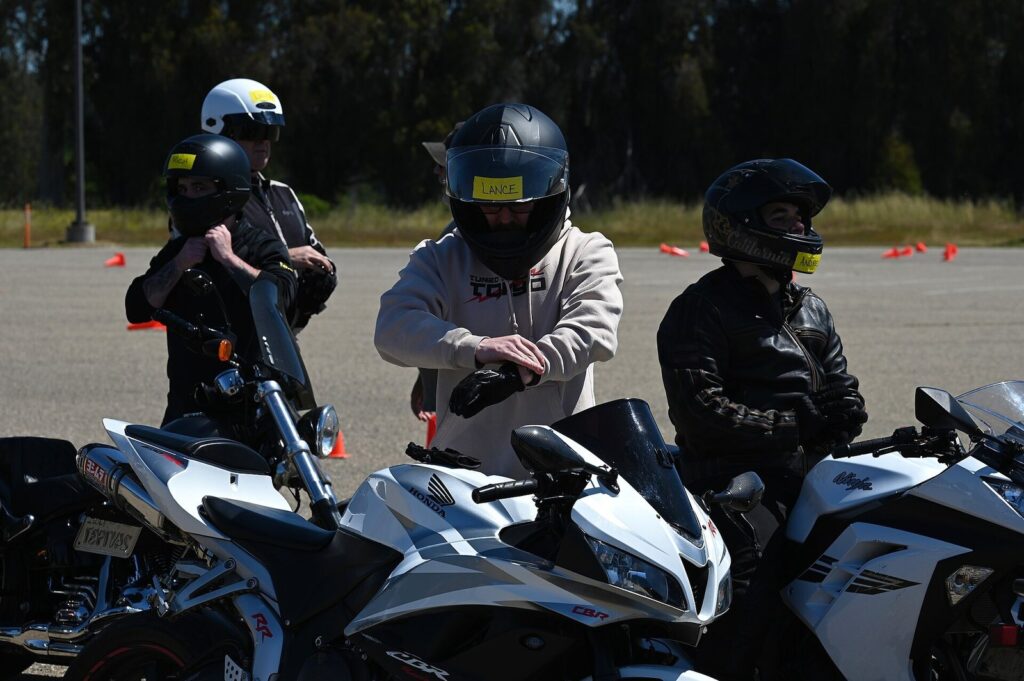
Photo credits: “DFC 4096 Street vendor expertly pours fresh coconut water into a cup as a basket of husked coconuts waits in the foreground” — PattayaPatrol, CC BY-SA 4.0, Wikimedia Commons · “Vandenberg Hosts a Motorcycle Safety Training Course (8404798)” — U.S. Space Force photo by Airman 1st Class Olga Houtsma, Public domain, Wikimedia Commons