
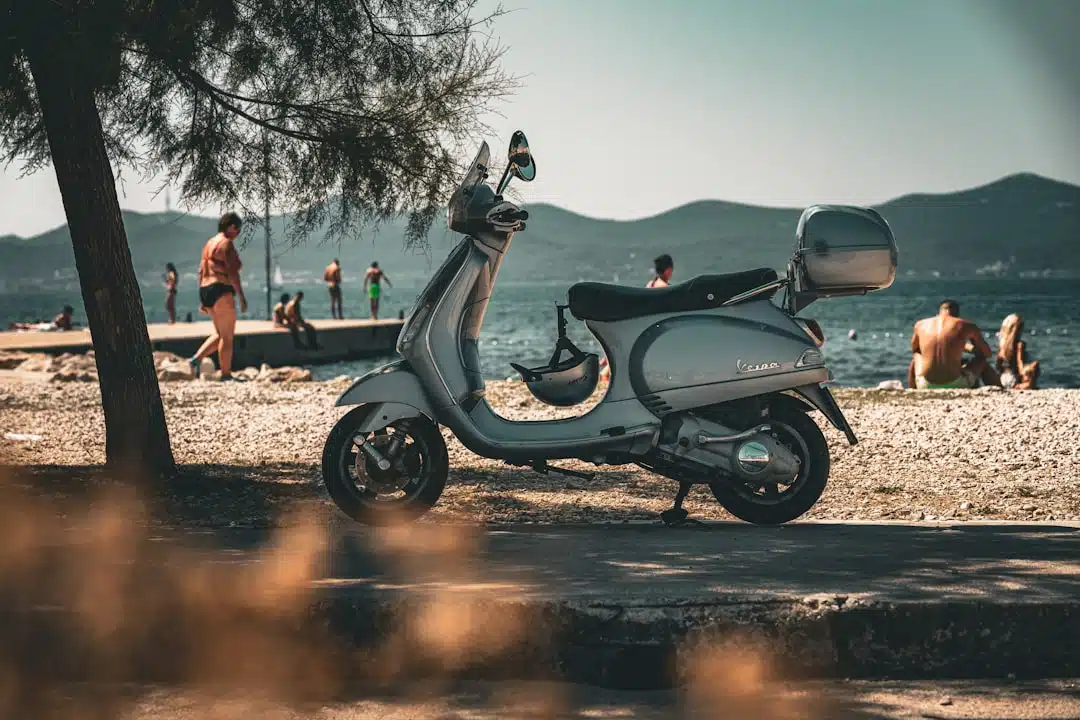
Selecting the appropriate motorbike is a critical first step for any rider, whether a novice or an experienced enthusiast. The market offers a plethora of options, each designed for different riding styles, purposes, and skill levels. For beginners, smaller displacement bikes, typically ranging from 125cc to 500cc, are often recommended.
These motorcycles are generally lighter, easier to handle, and less intimidating for those just starting their journey on two wheels. Models like the Honda CB500F or the Kawasaki Ninja 400 provide a perfect blend of power and manageability, allowing new riders to build confidence without being overwhelmed. Conversely, seasoned riders may gravitate towards larger displacement motorcycles that cater to specific riding preferences, such as touring, sport, or adventure riding.
For instance, a touring bike like the BMW K1600GTL offers comfort and storage for long-distance travel, while a sportbike like the Yamaha YZF-R1 is designed for high performance and agility on the track. When choosing a motorbike, it's essential to consider factors such as ergonomics, intended use, and personal comfort. A test ride can be invaluable in determining how well a bike fits the rider's body and riding style.
Ultimately, the right motorbike should inspire confidence and excitement while aligning with the rider's goals and experience level.
Key Takeaways
- Select a motorbike that suits your experience and riding needs.
- Always perform a thorough pre-ride inspection to ensure safety.
- Wear appropriate protective gear to minimize injury risks.
- Learn and follow local traffic laws to ride legally and safely.
- Practice defensive riding and avoid distractions to prevent accidents.
Pre-Ride Inspection
Before embarking on any ride, conducting a thorough pre-ride inspection is paramount to ensure safety and performance. This routine check should encompass several key components of the motorcycle. Start with the tires; inspect them for proper inflation and tread depth.
Under-inflated tires can significantly affect handling and braking performance, while worn-out tread can lead to loss of traction. A simple tire pressure gauge can help ensure that both front and rear tires are inflated to the manufacturer’s recommended levels. Next, examine the brakes.
Check both the front and rear brake pads for wear and ensure that the brake fluid is at an appropriate level. Squeaking or grinding noises when applying brakes can indicate that maintenance is needed. Additionally, inspect the lights—headlights, taillights, and turn signals should all be functioning correctly to ensure visibility to other road users.
Finally, take a moment to check the chain or belt tension and lubrication if applicable. A well-maintained chain not only enhances performance but also prolongs the life of the motorcycle. By performing these checks regularly, riders can significantly reduce the risk of mechanical failure while on the road. For an unforgettable adventure on the island, consider booking a motorbike rental to explore at your own pace.
Proper Riding Gear

The importance of wearing appropriate riding gear cannot be overstated; it is a fundamental aspect of motorcycle safety that can mean the difference between life and death in an accident. A well-fitted helmet is arguably the most critical piece of equipment. Helmets come in various styles—full-face, modular, open-face—and should meet safety standards such as DOT or ECE certifications.
A full-face helmet provides maximum protection by covering the entire head and face, while an open-face helmet offers more ventilation but less coverage. In addition to helmets, riders should invest in protective clothing designed specifically for motorcycling. This includes jackets made from abrasion-resistant materials like leather or textile blends that often come with built-in armor at critical impact points such as shoulders and elbows.
Riding pants should also be durable and protective; many options include reinforced areas and padding for added safety. Footwear is equally important; sturdy boots that cover the ankles provide protection against impacts and abrasions while also offering better grip on footpegs. Gloves are another essential component; they not only protect hands from abrasions but also enhance grip on the handlebars.
By donning proper riding gear, motorcyclists can significantly mitigate injuries in case of an accident.
Understanding Local Traffic Laws
Navigating local traffic laws is crucial for any motorcyclist aiming to ride safely and responsibly. Each region may have specific regulations governing motorcycle operation that differ from those for cars or trucks. For instance, some states allow lane splitting—riding between lanes of slow-moving or stopped traffic—while others prohibit it entirely.
Understanding these laws not only helps avoid legal repercussions but also enhances safety by ensuring that riders are aware of their rights and responsibilities on the road. Moreover, speed limits and road signs must be adhered to diligently. Motorcyclists should be particularly cautious at intersections where many accidents occur due to visibility issues or misjudgment by other drivers.
Familiarizing oneself with local traffic patterns can also provide insights into potential hazards unique to certain areas, such as construction zones or high-traffic routes frequented by inexperienced drivers. Additionally, some jurisdictions require specific licenses or endorsements for motorcycle operation; ensuring compliance with these regulations is essential for legal riding.
Defensive Riding Techniques
| Safety Tip | Description | Importance Level | Recommended Action |
|---|---|---|---|
| Wear Protective Gear | Always wear a helmet, gloves, jacket, and boots to protect yourself in case of an accident. | High | Use DOT or ECE certified helmets and durable riding gear. |
| Inspect the Motorbike | Check brakes, tires, lights, and signals before riding to ensure the bike is in good condition. | High | Perform a pre-ride safety check every time. |
| Understand Local Traffic Laws | Familiarize yourself with the traffic rules and regulations of the area you are riding in. | Medium | Review local laws and speed limits before riding. |
| Ride Defensively | Be aware of other drivers and anticipate potential hazards on the road. | High | Maintain a safe distance and avoid blind spots. |
| Limit Speed | Avoid speeding to reduce the risk of accidents and improve control over the motorbike. | High | Adhere to posted speed limits and ride at a comfortable speed. |
| Use Signals | Always use turn signals and hand signals to communicate your intentions to other road users. | Medium | Signal well in advance before turning or changing lanes. |
| Avoid Riding in Bad Weather | Rain, fog, and strong winds can make riding dangerous due to reduced visibility and slippery roads. | Medium | Postpone rides during adverse weather conditions if possible. |
| Stay Sober | Never ride under the influence of alcohol or drugs as it impairs judgment and reaction time. | High | Always ride sober and alert. |
| Know Your Limits | Ride within your skill level and avoid challenging routes if you are inexperienced. | High | Choose routes and speeds that match your riding ability. |
| Emergency Contact Info | Keep emergency contact numbers and identification on you in case of an accident. | Medium | Carry a phone and ID at all times while riding. |
Defensive riding techniques are vital for enhancing safety on the road, especially given that motorcyclists are more vulnerable than other vehicle operators. One fundamental principle of defensive riding is maintaining a safe following distance from other vehicles. This buffer zone allows riders ample time to react to sudden stops or emergencies ahead.
A good rule of thumb is to maintain at least a two-second gap between your motorcycle and the vehicle in front; this distance should be increased in adverse weather conditions. Another critical aspect of defensive riding involves being aware of one’s surroundings at all times. This means actively scanning the road ahead for potential hazards such as potholes, debris, or erratic drivers.
Riders should also utilize their mirrors frequently to monitor traffic behind them and be prepared for any sudden changes in their environment. Additionally, signaling intentions well in advance can help communicate with other road users, reducing the likelihood of misunderstandings that could lead to accidents. By adopting these defensive strategies, motorcyclists can significantly enhance their safety while navigating through various traffic scenarios.
Avoiding Distractions

Distractions pose a significant risk to motorcyclists, as they can lead to lapses in concentration that may result in accidents. Unlike driving a car where distractions might be mitigated by a more enclosed environment, riding a motorcycle requires full attention due to its inherent instability and exposure to external elements. One of the most common distractions is mobile phone use; even a brief glance at a notification can divert attention from the road long enough to cause a serious incident.
Riders should make it a point to silence their phones or use hands-free devices if necessary. In addition to electronic distractions, riders must also be mindful of their mental state while riding. Fatigue can impair judgment and reaction times significantly; therefore, it’s crucial to recognize when it’s time to take a break during long rides.
Environmental factors such as weather conditions can also serve as distractions; for example, rain or strong winds may require additional focus on handling the motorcycle safely. By consciously avoiding distractions and maintaining mental clarity while riding, motorcyclists can enhance their overall safety on the road.
Riding with a Passenger
Riding with a passenger introduces additional dynamics that require careful consideration and adjustment by the motorcyclist. First and foremost, it’s essential to ensure that both rider and passenger are equipped with appropriate safety gear; this includes helmets, jackets, gloves, and sturdy footwear for both individuals. The passenger should also be briefed on how to behave while riding—this includes holding onto the rider securely without shifting their weight unexpectedly during turns or stops.
The motorcycle itself must also be suitable for carrying a passenger; this means checking weight limits specified by the manufacturer and ensuring that the bike has adequate seating space and footpegs for comfort. When riding with a passenger, it’s crucial to adjust your riding style accordingly; this may involve taking turns more gently and allowing for longer stopping distances due to the added weight. Communication between rider and passenger is key; establishing signals for when to lean or hold on can help create a smoother riding experience for both parties.
Returning the Motorbike in Good Condition
When it comes time to return a rented or borrowed motorbike, ensuring it is in good condition is not only courteous but also essential for maintaining trust with the owner or rental agency. Begin by conducting a thorough inspection of the motorcycle before returning it; check for any damages that may have occurred during your use—scratches, dents, or mechanical issues should be noted and reported immediately. If any maintenance was required during your rental period—such as oil changes or tire pressure adjustments—addressing these issues before returning the bike demonstrates responsibility.
Additionally, cleaning the motorcycle before returning it can leave a positive impression on the owner or rental agency. A simple wash can remove dirt and grime accumulated during your ride while also allowing you to spot any potential issues that may need attention before handing over the keys. Finally, ensure that all accessories or equipment provided with the bike—such as helmets or saddlebags—are returned in good condition as well.
By taking these steps when returning a motorbike, riders not only uphold their reputation but also contribute positively to the overall motorcycle community.
When considering motorbike rental safety tips, it's essential to also be aware of the local traffic laws and regulations to ensure a safe riding experience. For more detailed information on this topic, you can check out the article on local traffic laws, which provides valuable insights into what to expect while riding in different regions.