
Phuket is Thailand's largest island — roughly 48 km from the airport in the north down to Rawai in the south — and its main draws (Patong, Kata, Karon, Kamala, Bangtao, Chalong, Old Town) are spread far enough apart that "how do I get around" is one of the first real logistics questions any visitor has to answer. There isn't one correct answer for every traveller. What follows is an honest, side-by-side look at every option available in 2026, including where each one genuinely falls short, so you can pick what fits your trip rather than whatever a rental company wants you to pick.
Quick comparison
| Option | Typical cost | Best for | Watch out for |
|---|---|---|---|
| Grab (ride-hailing) | ~150–350+ THB per trip | Airport transfers, nights out, luggage-heavy trips | 20–30 min waits outside the main tourist strip; per-trip cost adds up over multiple days |
| Metered taxi / tuk-tuk | 400–500+ THB per trip (rarely metered in practice) | Zero-effort, door-to-door, no app needed | Consistently the most expensive option; fares are fixed by local associations, not negotiated fairly |
| Phuket Smart Bus | 50–100 THB flat fare | One-way airport transfer or a coastal run on a budget | Roughly hourly schedule, real wait risk, traffic delays, not door-to-door |
| Songthaew (shared truck) | 25–50 THB shared fare | Cheap daytime hops between town and beach | No fixed timetable, mostly stops running by ~6:30pm, limited routes |
| Car rental | ~450–900+ THB/day (economy) | Families, groups of 3–4+, longer road trips out of town | Still fights Patong traffic and parking; costliest per person for solo travellers or couples |
| Scooter / motorbike rental | ~200–450 THB/day (e.g. ฿300–350 for a Honda Click) | Solo travellers, couples, and small groups making multiple stops a day | Requires a motorcycle-category license plus an International Driving Permit with motorcycle endorsement; real risk if you're not an experienced, licensed rider |
Grab — reliable, but it's a per-trip cost
Grab covers the whole island and is genuinely the easiest way to get a fair, fixed price without haggling. In central tourist areas — Patong, Karon, Kata, Rawai, Chalong — waits typically run 5–15 minutes. A 15 km ride from Patong to Kata, for example, usually lands around 180–250 THB. It's the best option for an airport transfer with luggage, a night out where you don't want to ride, or a single one-off trip.
The honest downside: outside the main tourist strip — Mai Khao, parts of the east coast, quieter stretches inland — waits can stretch to 20–30 minutes, and surge pricing kicks in during rain or peak hours. It's also a per-trip cost. Take three or four Grab rides a day over a week-long stay and the total adds up quickly compared with a flat daily rental.
Metered taxis and tuk-tuks — the least flexible, most expensive option
This isn't tourist paranoia — it's a well-documented feature of Phuket's transport market. Unlike Bangkok, taxi meters are rarely used in practice on the island, and tuk-tuk and taxi fares are set by local operator associations at rates commonly cited as three to five times what the same trip would cost in Bangkok. A widely referenced rate board still puts a Patong–Phuket Town run at around 500 THB, Patong–Kamala at around 400 THB, Patong–Chalong at around 500 THB, and even a short hop within Patong at around 200 THB — regardless of actual distance.
The upside is real: no app needed, always available at ranks and hotel entrances, and the driver handles your bags. If you're going to use one, agree the price before you get in — but for almost any trip, Grab will cost less for the same route.
Phuket Smart Bus — cheap, but not built for a busy itinerary
The government-run Smart Bus is a real, useful public service. Route 1 runs from the airport down the west coast to Rawai for a flat 100 THB, and Route 2 connects Phuket Town to Patong for 50 THB; there's also a free electric shuttle (the Dragon Line) around Old Town. Buses run roughly hourly between 6am and 8pm, and you can pay by contactless card, QR code, cash, or a top-up Rabbit Card.
It's a genuinely good, low-cost way to get from the airport to your hotel or to cover one long coastal run. Where it struggles: the schedule is hourly rather than frequent, traffic (notably around Cherngtalay) causes real delays, and it only drops you at fixed stops — not your hotel door. It works well for one planned journey; it's not practical for a day involving several stops.
Songthaew — the cheapest option, with real limitations
These shared, open-backed pickup trucks run fixed corridors between Phuket Town and the main beaches, and a shared fare is usually only 25–50 THB. You flag one down from the roadside, ride until you're near your stop, and pay as you get off. It's cheap and authentic, and locals use them daily.
The catch: there's no fixed timetable, they mostly stop running by around 6:30pm, coverage is limited to certain roads, and it takes a bit of local know-how to flag one and signal your stop. With a lot of luggage or young kids waiting roadside in the heat, it's not the most practical choice.
Car rental — best for families and longer road trips
An air-conditioned car makes real sense for families, groups of three or more, or anyone planning longer trips further afield — Phang Nga Bay, Khao Lak, or a full day out with small children. Economy rentals start from roughly 450–900 THB a day, and most nationalities can drive on a standard car license plus an International Driving Permit — no motorcycle experience required.
The tradeoffs are worth knowing before you book: a car still gets stuck in the same Patong-area congestion as everything else, parking near popular beaches is genuinely difficult, and for a solo traveller or couple it costs several times more per day than a scooter while sitting idle in a parking lot whenever you're actually at the beach.
Scooter and motorbike rental — flexible, cost-effective, but only if you're set up to do it properly
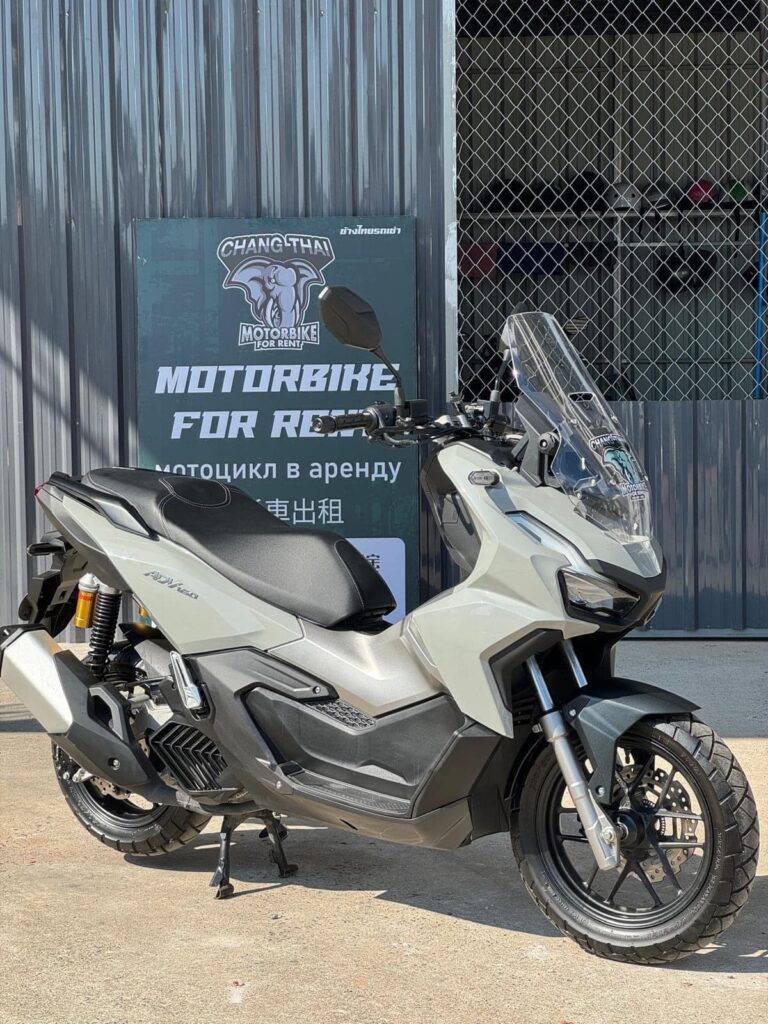
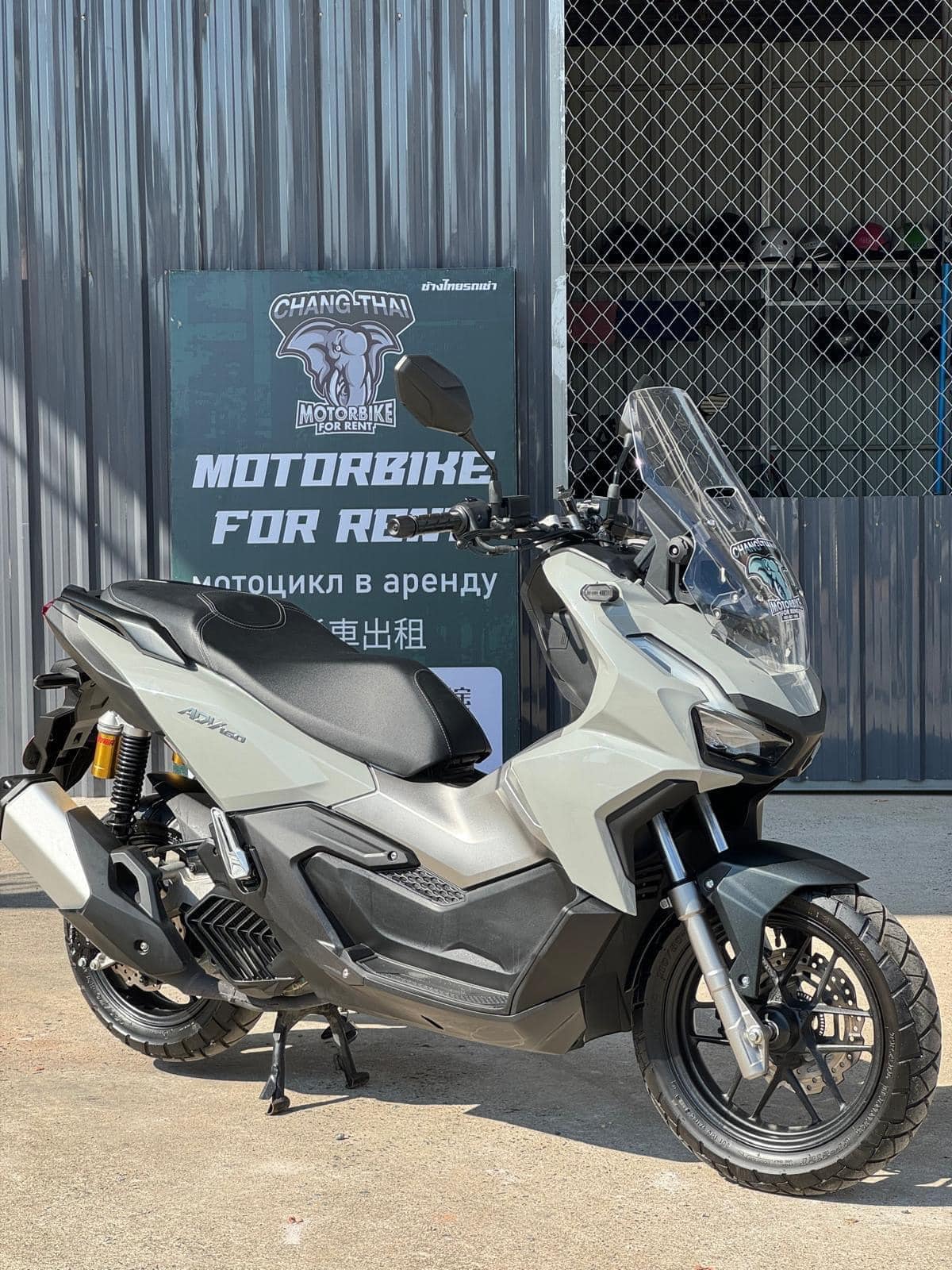
A 110–125cc automatic scooter typically rents for 200–450 THB a day depending on the model and season — a Honda Click from Chang Thai runs ฿300–350/day, for example. For anyone staying more than a couple of days and wanting to move between beaches, viewpoints, and restaurants on their own schedule, this is usually the most cost-effective option on the island by a wide margin, and it's the one way to sidestep the tourist-taxi pricing described above entirely.
But this is also the option where honesty matters most. Thailand has one of the highest road fatality rates in the world, and in Phuket specifically, motorcycles are involved in the large majority of traffic accidents and deaths. Local authorities have reported that a large share of tourist motorbike accidents involve riders without a valid license — often riding unfamiliar routes, at speed, or without proper gear. That statistic isn't a reason to avoid scooters altogether; it's a reason to take the legal requirements seriously. Renting and riding legally in Phuket requires a motorcycle-category license from your home country plus an International Driving Permit carrying the motorcycle endorsement — a car-only license or IDP does not cover you, and riding without the right documents can void your travel insurance if something goes wrong.
So a scooter is not the right call for everyone. If you don't hold a motorcycle license, have never ridden before, are travelling with young children who can't safely ride pillion, or simply aren't comfortable with Thai traffic patterns, one of the other options above is the honest recommendation — not this one.
So what's actually the best way to get around Phuket?
- Arriving with heavy luggage, one-way to your hotel: Grab, or the Smart Bus if you're on a tight budget.
- Travelling with young kids or non-riders, or planning a long day trip further afield: a car rental.
- One lazy beach-to-beach hop, no rush: songthaew or the Smart Bus.
- Occasional night out or a single one-off trip: Grab.
- Staying several days, licensed to ride, and want to explore multiple spots a day without paying per trip: a scooter.
For that last group — which, realistically, is most independent travellers staying more than two or three days — a scooter tends to work out as the best overall fit. You set your own schedule instead of waiting on an app or a bus timetable, you skip the tuk-tuk negotiation entirely, and the daily cost rarely comes close to what a family can spend on Grab rides alone over the same week. It only makes sense, though, if you're doing it properly: valid motorcycle license, IDP with the right endorsement, and a realistic sense of your own riding experience on Thai roads.
If that's you, Chang Thai Motorbike Rental has branches at Chalong, Mai Khao, Phuket Airport, Bangtao, and Phuket Old Town, with Honda Click scooters from ฿300–350/day. Message us on WhatsApp at +66936871999, or see current models and rates at changthairentals.com/rent-bike-phuket.